Guns and knives
Of all weapons of violence, guns cause the greatest harm, followed by bladed weapons. It is estimated that over half a million of people die from armed violence every year and the highest proportion of these will be at the end of a gun. This is just those killed by guns, countless more are wounded, or take their lives with one. Knife crime, whilst harder to control, creates cultures of fear and violence that can fuel stabbings. AOAV seeks to stimulate the debate about guns and knives, and their role in violence, through detailed research and focused advocacy.
-
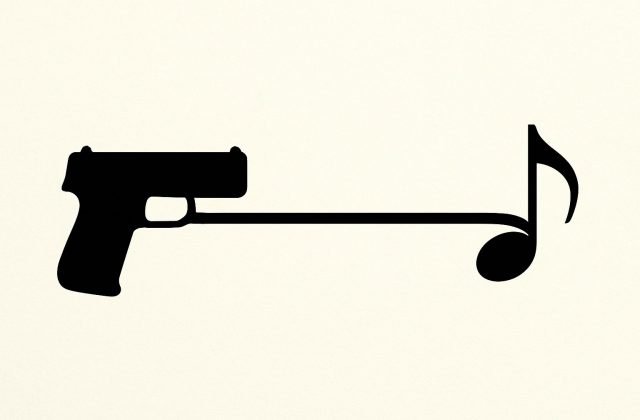
Does music fuel gun violence? A comparative analysis across five genres and settings
This comparative review finds that gun violence across Punjab, Chicago, Rio, Lesotho and Mexico tracks poverty, policing failures, criminal-market shifts and weapon flows rather than musical genres, showing that censoring songs does nothing to reduce homicides while investments in institutional capacity, prevention and gun-supply controls do.
-
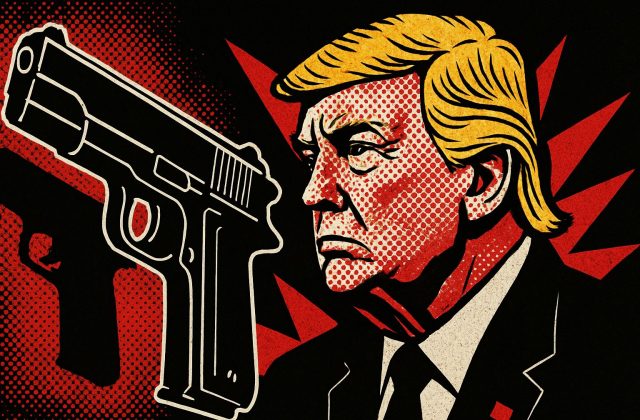
Gun control policy in President Trump’s current administration examined
President Trump’s second term has marked an aggressive rollback of gun control measures, replacing public health approaches with a hardline pro-gun agenda that AOAV warns poses a serious threat to domestic safety and international norms on arms regulation.
-
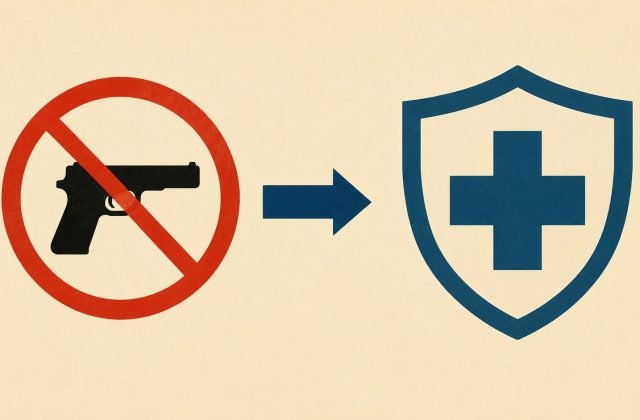
Policy impact review: how a public health framing transforms gun control efforts
Here AOAV examines the effectiveness of framing gun violence as a public health crisis in driving legislative reforms, contrasting the successes of Australia and New Zealand with the limitations of the United States' criminal justice approach.
-
Responding to gun massacres: a discourse analysis of how political and media narratives shape health and justice responses
This report analyses how media and political narratives shape responses to gun massacres in the UK, US, and Australia, highlighting contrasting public health, criminal justice, and regulatory framings in the cases of Dunblane, Las Vegas, and Port Arthur.
-
How media and political framings of three gun massacres shaped legislative responses
This report examines how media and political narratives in the UK, US, and Australia helped shape both public opinion and gun control policy to gun massacres, revealing the distinctive impacts of public health and criminal justice framings on legislative outcomes.
-

The Lancet launches new commission on global gun violence and health; AOAV’s executive director Dr Iain Overton appointed co-commissioner
The Lancet has announced a new Commission on Global Gun Violence and Health, with Dr. Iain Overton, Executive Director of Action on Armed Violence (AOAV), as a co-commissioner, aiming to address the global burden of gun violence through interdisciplinary research and policy recommendations